Mechanism of Action Studies
Enzymatic Biostimulants: The Science Behind Superior Bioactivity — Chitosan Oligosaccharide, Alginate Oligosaccharide, Enzymatic Seaweed Extract & Fermented Protein Hydrolysate
Abstract. This article reviews the scientific foundations and commercial implementation of five core enzymatic biostimulant platforms produced by Qingdao MacroAlga: Chitosan Oligosaccharide (COS), Alginate Oligosaccharide (AOS), Enzymatic Seaweed Extract (KEYO®), Enzyme-Fermented Protein Hydrolysate, and the proprietary Biostimulant Chelation Platform. Each product leverages proprietary enzyme engineering to deliver structurally precise, high-bioactivity oligosaccharides and peptides.
1. Chitosan Oligosaccharide (COS)
Chitosan oligosaccharides are produced by the enzymatic hydrolysis of chitosan—a deacetylated derivative of chitin. The bioactivity of COS is governed by three structural parameters: degree of polymerization (DP), degree of deacetylation (DD), and the acetyl distribution pattern.
1.1 Proprietary Enzyme System
- Self-developed engineering strain with an enzyme activity of 1,500 U/mL—approximately 3× higher than the best reported values in literature.
- Acetic acid system: the only domestic COS producer using acetate-buffer enzymatic hydrolysis, enabling precise molecular-weight control.
- Self-sufficient enzyme production: 100 L → 1,000 L → 10,000 L triple-stage fermentation system; 1 mL fermentation broth yields 1.5 g COS powder.
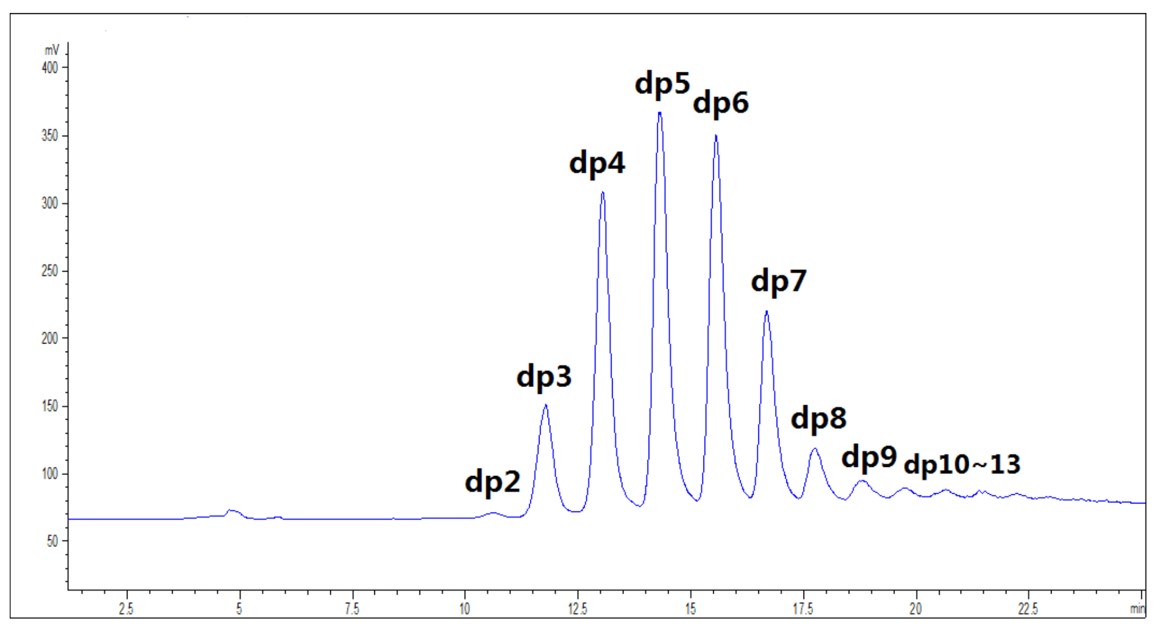
- DP controllability: can produce DP2–3, DP2–5, or DP2–8 oligosaccharide profiles on demand.
1.2 Product Specifications
| Parameter | COS 94% Powder | COS 10% Liquid |
|---|---|---|
| Oligosaccharide content | ≥ 93% | 10% |
| DP distribution | DP2–8 accounts for > 80% of total sugars | Same |
| Peak-active fractions | DP4 (644 Da), DP5 (805 Da), DP6 (966 Da) | Same |
| Average MW | 773 Da (SARCCI) | Same |
| Degree of deacetylation | ≥ 90% | ≥ 90% |
| Ash content | ≤ 0.8% | — |
| pH tolerance | pH 1–14 | pH 1–14 |
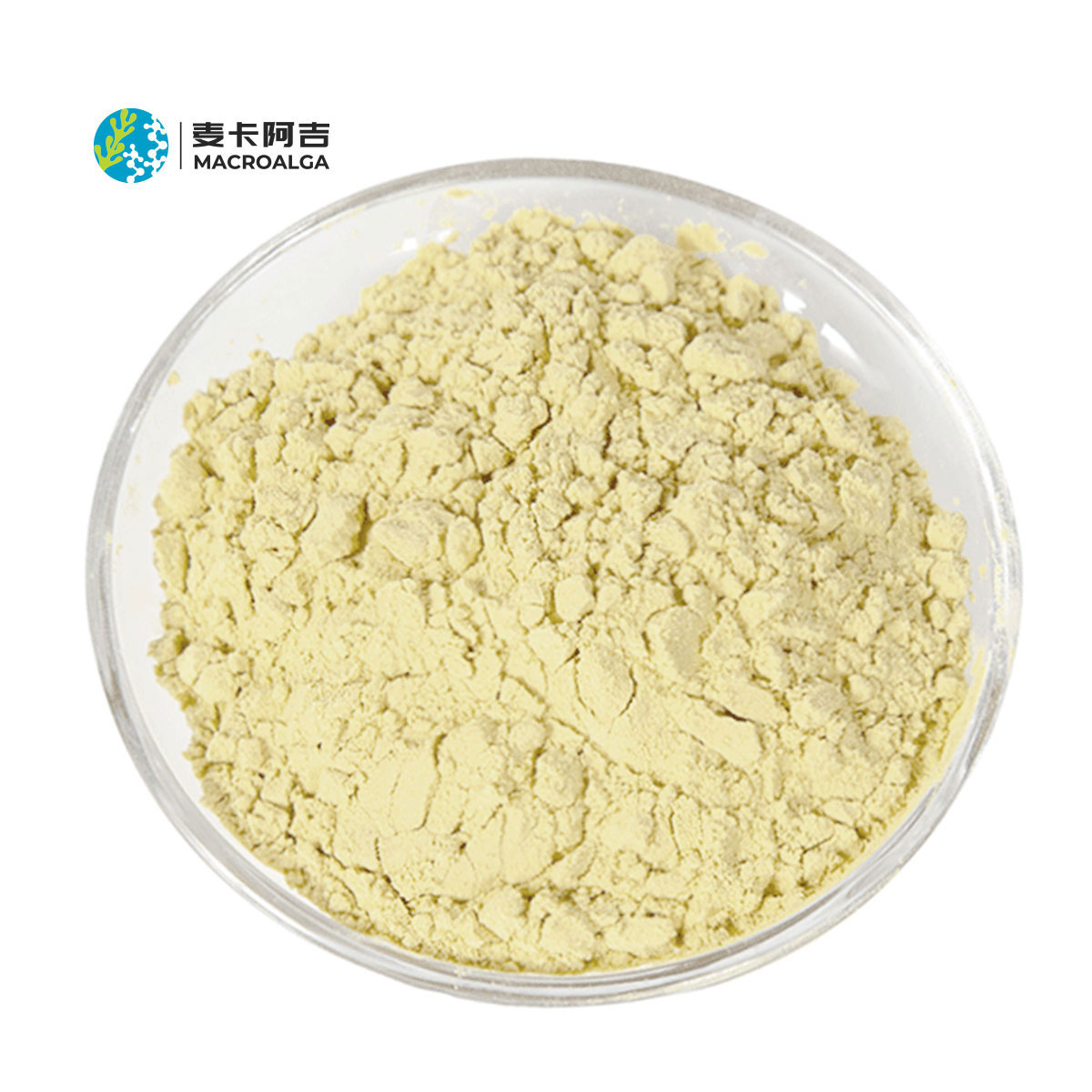
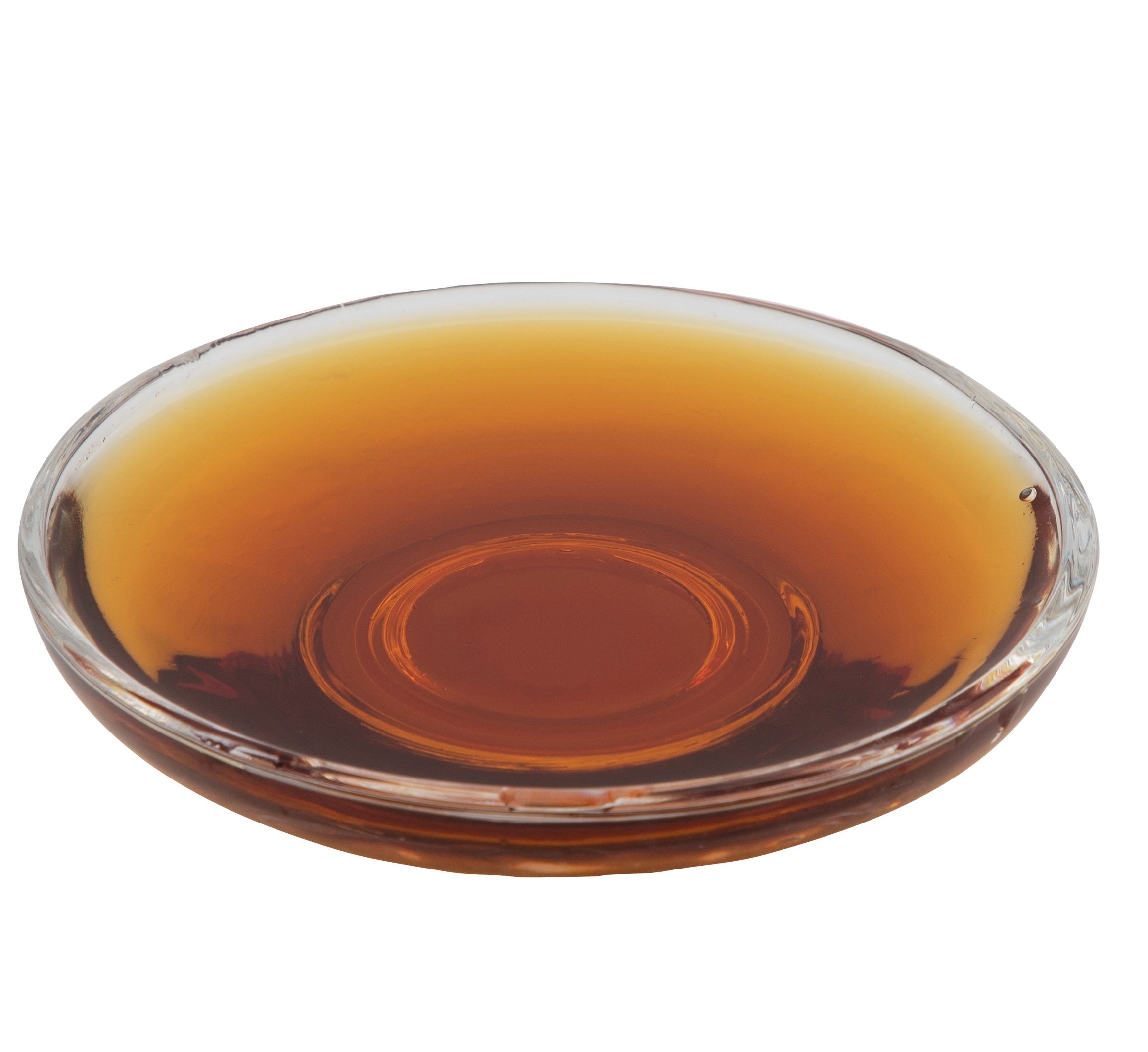
| Appearance | Light yellow to near-white powder | Clear, transparent liquid |
Why light color matters: A lighter color indicates a shorter enzymatic hydrolysis time and lower oxidative browning—meaning higher biological activity.
1.3 Cost Advantage
- Raw material: Exclusive supply agreement with a major Vietnamese chitosan factory; largest domestic chitosan annual purchase volume (130 tons in 2022).
- Spray drying: Largest domestic COS spray-drying unit (500 model, 500 kg water evaporation/hour)—lowest per-ton drying cost in China.
- Enzyme self-sufficiency: Proprietary strains eliminate enzyme procurement costs.
1.4 Quality Verification
Independent analysis by the National Pesticide Quality Supervision & Inspection Center (Shenyang Research Institute of Chemical Industry, SARCCI) confirmed:
- Chitosan oligosaccharide content: 93.4%
- Monosaccharide (glucosamine) content: only 0.03%
- Average MW 773 Da, consistent with HPLC data from Qingdao Marine Biomedicine Research Institute
Explore the product: Chitosan Oligosaccharide (COS) →
2. Alginate Oligosaccharide (AOS)
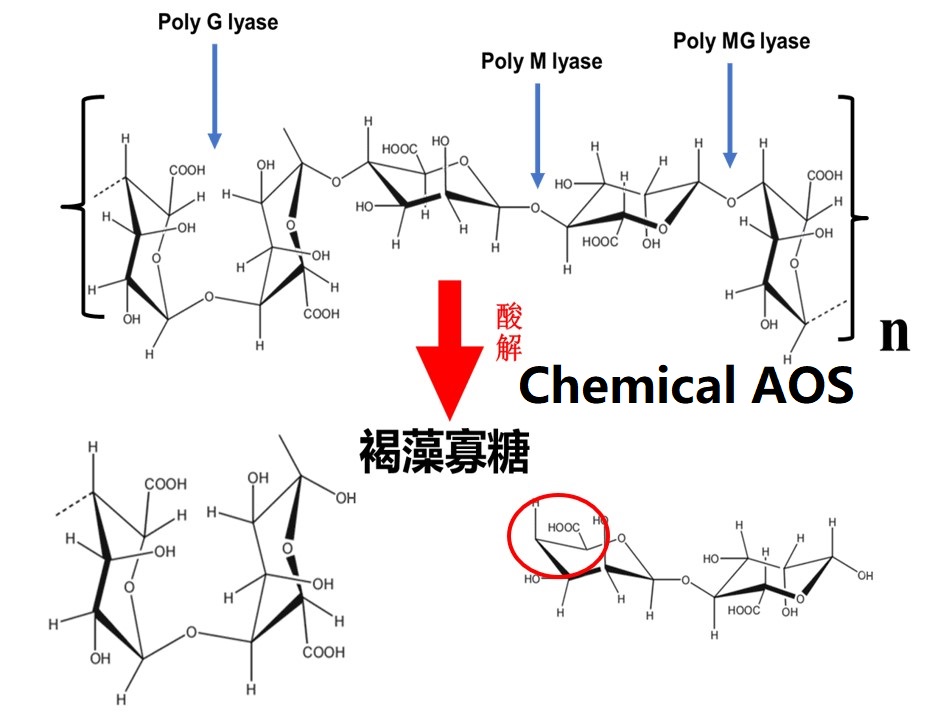
Alginate is a linear copolymer of 1→4-linked β-D-mannuronic acid (M) and α-L-guluronic acid (G) residues. Enzymatic cleavage by alginate lyase produces unsaturated oligosaccharides with a Δ4,5 double bond at the non-reducing end—the structural basis for superior bioactivity.
2.1 Three Pillars of MacroAlga Alginate Lyase
| Feature | MacroAlga Enzyme | Literature / Competitor Benchmark |
|---|---|---|
| Enzyme activity | 300,000 U/mL | Reported max ~30,000 U/mL |
| Thermal stability | 60°C, half-life 180 h | Reported max 60°C, 1 h |
| PolyG specificity | High PolyG specificity | Most enzymes are PolyM-biased |
| Product DP range | DP2–4 | Typically DP2–6 |
2.2 Chemical vs. Enzymatic AOS
Chemical degradation (acid/alkali) of alginate produces saturated oligosaccharides via random glycosidic cleavage, which exhibit markedly lower bioactivity. Enzymatic β-elimination generates unsaturated AOS that:
- Induce plant defence genes at lower concentrations
- Stimulate root elongation and lateral root formation (DP2–4 optimal)
- Enhance salinity tolerance via osmotic-stress response pathways
- Exhibit antimicrobial activity against oomycete pathogens
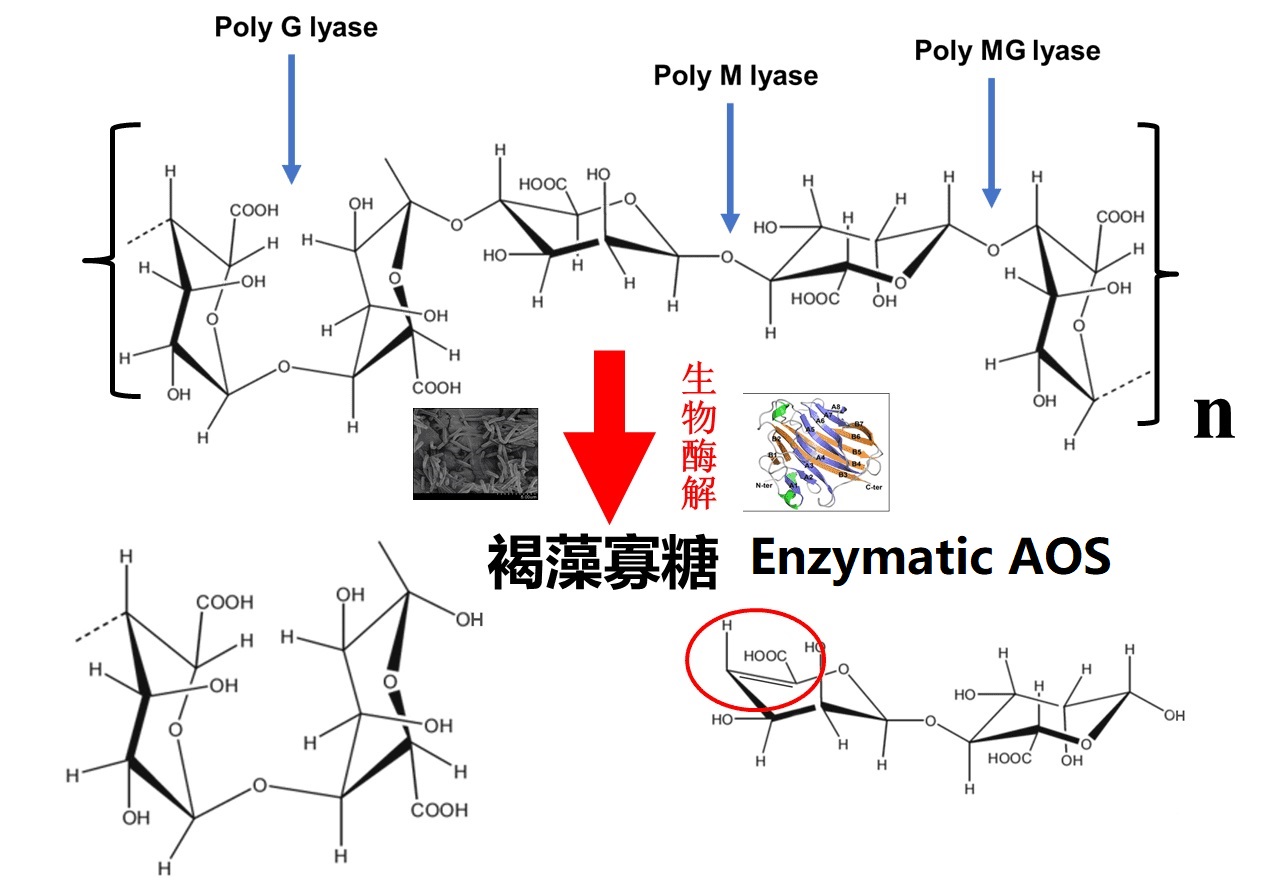
2.3 AOS DP < 5: Optimal Bioactivity
Ion chromatography analysis confirms that MacroAlga AOS is a white powder produced from food-grade sodium alginate via enzymatic hydrolysis, followed by filtration and spray drying. The DP distribution is predominantly DP2, DP3 and DP4—the oligosaccharide range consistently reported in literature as possessing the highest biological activity. Competitor products typically span DP2–6 with broader, less active distributions.
- AOS with DP < 5 significantly enhances root growth and salinity tolerance.
- High PolyG specificity ensures superior formulation compatibility with fertilizers and micronutrients.
- Unsaturated terminal double bond (Δ4,5) is the structural determinant of bioactivity—absent in chemically degraded products.
Explore the product: Alginate Oligosaccharide (AOS) →
3. Enzymatic Seaweed Extract (KEYO® Series)
MacroAlga’s KEYO® enzymatic seaweed extract is produced from three distinct brown algal feedstocks—each selected for its unique phytohormone and polysaccharide profile.
3.1 Core Technological Advantages
| Parameter | MacroAlga Performance |
|---|---|
| Alginate lyase activity | 300,000 U/mL (7× reported max) |
| Enzyme thermostability | 60°C half-life 180 h |
| Substrate versatility | Kelp, sargassum, rockweed—all degradable |
3.2 KEYO® Product Line
| Product | Raw Material | Agronomic Target |
|---|---|---|
| KEYO® Ascophyllum nodosum | Dried North Atlantic rockweed | Abiotic stress tolerance, fruit quality |
| KEYO® Ecklonia maxima | Dried South African giant kelp | Root initiation, vegetative growth |
| KEYO® Laminaria japonica (Fresh) | Fresh kelp, processed < 24 h | Balanced bioactives, full-cycle health |
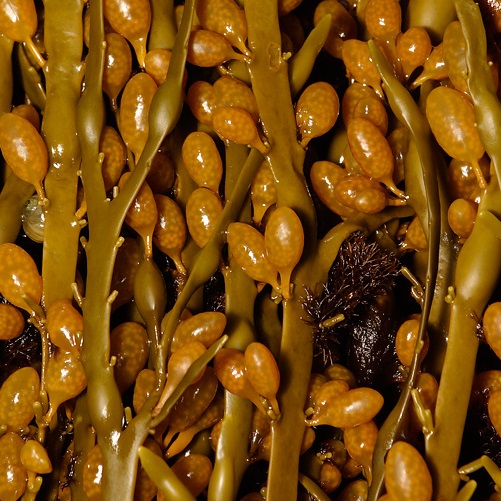
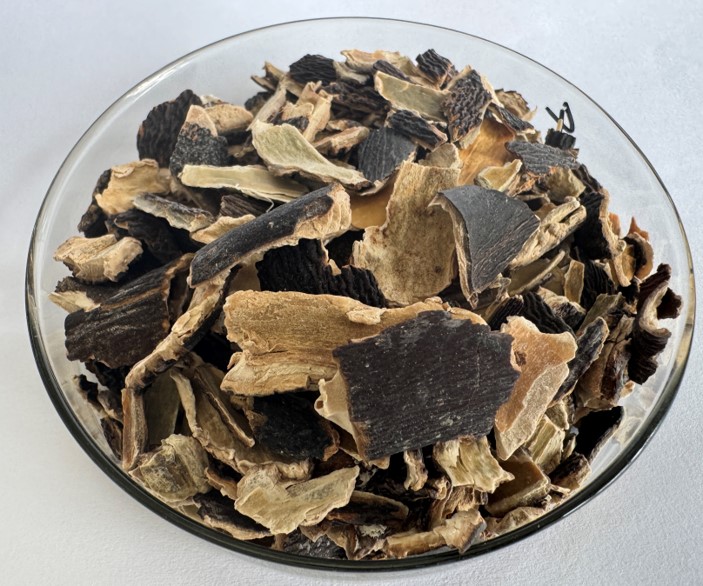
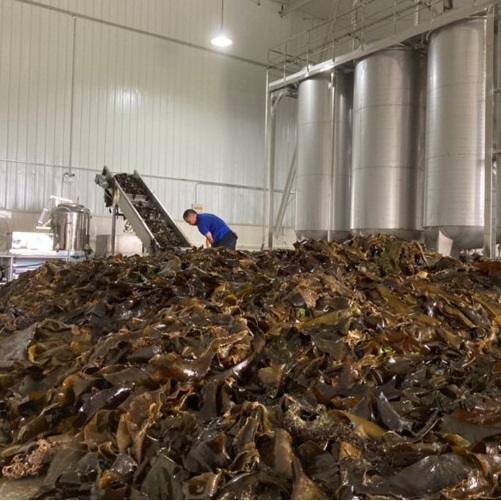
Ascophyllum nodosum Ecklonia maxima Fresh Laminaria japonica
3.3 Enzymatic Seaweed Process & Products
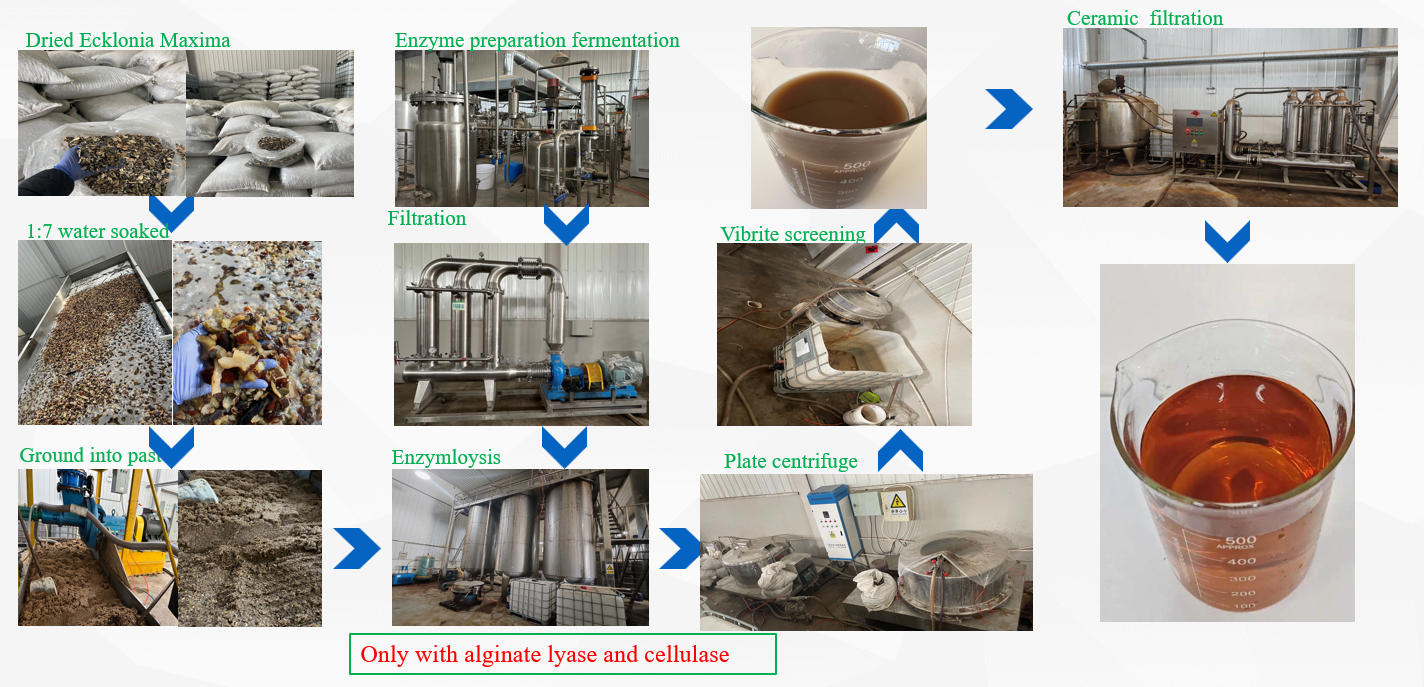
The enzymatic process adds only alginate lyase and cellulose enzyme—no chemical additives whatsoever. One ton of fresh kelp yields one ton of enzymatic seaweed extract liquid with an alginate oligosaccharide concentration of 25 g/L.
- Enzymatic kelp stock solution: Only alginate lyase and cellulose enzyme added; zero chemical inputs. 1 ton fresh kelp → 1 ton extract, AOS ≥ 25 g/L.
- Enzymatic kelp clear solution: Stock solution filtered through ceramic membranes; identical AOS content. Ideal as a base for chelated Ca/Mg and micronutrient foliar fertilizers.
4. Enzymatic & Fermented Protein Hydrolysate
4.1 Enzymatic Fish Protein Hydrolysate
| Form | Total Protein | Small Peptides | Free AA | Organic Matter |
|---|---|---|---|---|
| Fish protein (thick) | 400 g/L | 350 g/L | 50 g/L | 550 g/L |
| Fish protein (clear) | 450 g/L | 400 g/L | 50 g/L | 500 g/L |
| Fish peptide powder | 91% | 80% | 13% | — |
4.2 Plasma Enzyme-Fermented Protein (Blood Peptide)
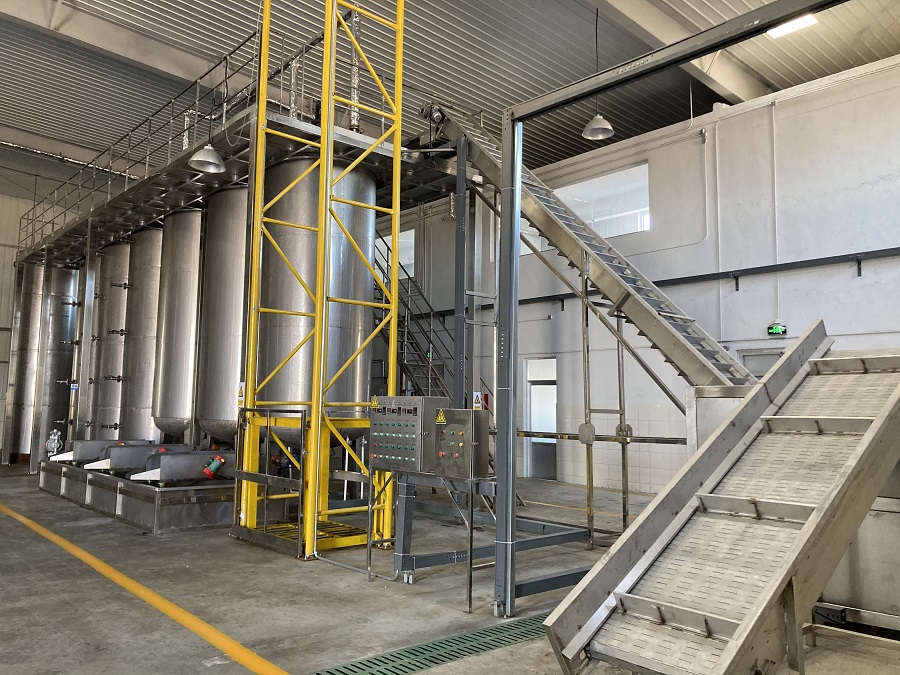
MacroAlga’s proprietary enzyme pretreatment + lactic acid fermentation process represents a unique two-stage bioconversion:
- Plasma protein powder is first hydrolyzed with protease to generate low-molecular-weight peptides.
- Carbon source is added, and 3 proprietary lactic acid bacteria (LAB) strains are inoculated.
- Fermentation proceeds for 4–5 days, producing synbiotic biostimulants rich in bioactive peptides, free amino acids, and organic acids.
CTI Testing report (A2230097391101001C) confirms the nutritional profile of blood peptide powder: crude protein 93.88%, total amino acids 84.84%, lysine 9.35%, proline 3.01%, tryptophan 1.16%. Hemoglobin-derived heme serves as a precursor for the 5-aminolevulinic acid (5-ALA) pathway, directly supporting chlorophyll synthesis and photosynthetic efficiency under stress.
4.3 Chicken-Derived Peptide
MacroAlga’s chicken-derived peptide is produced via 100% enzymatic hydrolysis of poultry processing by-products, retaining complete amino acid nutrition. With an average molecular weight < 1,000 Da, the product ensures rapid phloem mobility and high bioavailability. The exclusive triple-process—enzymolysis + ultrafiltration + concentration—delivers high purity and solubility for both foliar and soil applications.
- Circular & cost-effective: Upcycling poultry waste into value-added peptides for optimal cost efficiency.
- Full amino profile: 100% enzymatic hydrolysis retains complete nutrition.
- High bioavailability: MW < 1,000 Da ensures rapid uptake.
- Cutting-edge purification: Exclusive triple-process for high purity and solubility.
Explore the product: Protein Hydrolysate – Chicken-derived Peptide →
5. Biostimulant Chelation Platform: Replacing Synthetic Ligands
Traditional micronutrient fertilizers rely on synthetic chelators such as EDTA, which face increasing regulatory restrictions due to poor biodegradability and environmental persistence. MacroAlga’s chelation platform replaces EDTA with biodegradable oligosaccharide and peptide ligands derived from its own enzymatic production lines—delivering metals in a plant-available form while simultaneously supplying bioactive COS and AOS.
5.1 Chelation Mechanism
Peptide and oligosaccharide ligands form stable 2:1 ligand:metal complexes at pH 5.5–6.5 under controlled mechanical stirring in fermenters. The resulting products combine the nutrient-delivery function of traditional chelates with the biostimulant activity of COS and AOS—a dual-action formulation impossible with EDTA-based systems.
5.2 Chelated Product Portfolio
| Formulation | Composition | Agronomic Function |
|---|---|---|
| COS–Fish Peptide Cu | 28 g/L Cu + 50 g/L COS | Bacterial wilt, soft rot, nematode suppression |
| COS–Fish Peptide Zn | Zn + COS/peptide ligands | Enhanced antiviral activity |
| COS–Fish Peptide Full Micro | Multi-micronutrient blend | Disease resistance + nutrient replenishment + yield |
| AOS Ca/Mg/B/Mo | Ca, Mg, B, Mo + AOS ligands | Flower promotion, fruit setting, anti-cracking, gloss |
| AOS Full Micro | Complete micronutrient + AOS | Abiotic stress mitigation + yield protection |
| AOS B/Mo | B + Mo + AOS | Flowering support, spring-cold resistance |
| KEYO® + Animal Peptide Rooting | Ecklonia extract + blood peptide | Low-temp rooting, earliness, aroma, viral resilience |
5.3 Advantages Over EDTA Chelates
| Dimension | MacroAlga Biostimulant Chelation | Conventional EDTA Chelate |
|---|---|---|
| Ligand type | COS / AOS / peptide (biodegradable) | EDTA (non-biodegradable) |
| Secondary benefit | Biostimulant activity (elicitor, rooting) | None |
| Environmental impact | Fully biodegradable, low toxicity | Persistent; EU restriction pending |
| Formulation compatibility | Compatible with enzymatic seaweed, COS, AOS | Limited compatibility |
6. Why Enzymatic Processing Outperforms Chemical Extraction
| Dimension | Enzymatic (MacroAlga) | Chemical (Industry Standard) |
|---|---|---|
| Reaction conditions | 40–60°C, pH 5–8, aqueous | 60–90°C, strong KOH/HCl |
| Product structure | Unsaturated, low-DP, bioactive | Saturated, random-DP, lower activity |
| Hormone retention | High (intact auxins, CKs, ABA) | Low (thermally degraded) |
| Polyphenol retention | High | Low (oxidized) |
| DP controllability | Precise | Uncontrolled |
| Environmental impact | Zero acid/alkali; low energy | High chemical waste |
7. Commercial Implementation: MacroAlga Product Portfolio
| Product Line | Capacity | Core Technology | Explore |
|---|---|---|---|
| Chitosan Oligosaccharide (COS) | 500 tons/year | Self-developed chitosanase, acetic acid system | View COS → |
| Alginate Oligosaccharide (AOS) | 300 tons/year | Alginate lyase 300k U/mL, DP2–4 | View AOS → |
| Enzymatic Seaweed Extract (KEYO®) | 10,000 tons/year | Three feedstocks, 100% enzymatic | Ecklonia → All Grades → |
| Enzymatic & Fermented Protein | 1,000 tons/year | Protease + 3-strain LAB fermentation | View Proteins → |
References
- Miao J, et al. Comparative research of plant hormones and alginate oligosaccharides in seaweed extracts. South China Fisheries Science. 2022.
- Jouanneau M, et al. Enzyme-assisted extraction on Fucus vesiculosus. Journal of Applied Phycology. 2024.
- Zhang X, et al. Low-cost and efficient strategy for brown algal hydrolysis. Bioresource Technology. 2024.
- Sun C, et al. Hydrolyzing Laminaria japonica with microbial alginate lyase and cellulase. Bioresource Technology. 2020.
- National Pesticide Quality Supervision & Inspection Center (SARCCI). COS test report. 2022.
- Jiangnan University Analysis & Testing Center. Report JC23091308807: AOS DP quantification by MS.
- CTI Testing. Report A2230097391101001C: Amino acid composition of blood peptide powder.
- Enterprise Standards Q/370785MKAJ-001-2021 (COS & AOS).
About Qingdao MacroAlga Co., Ltd.
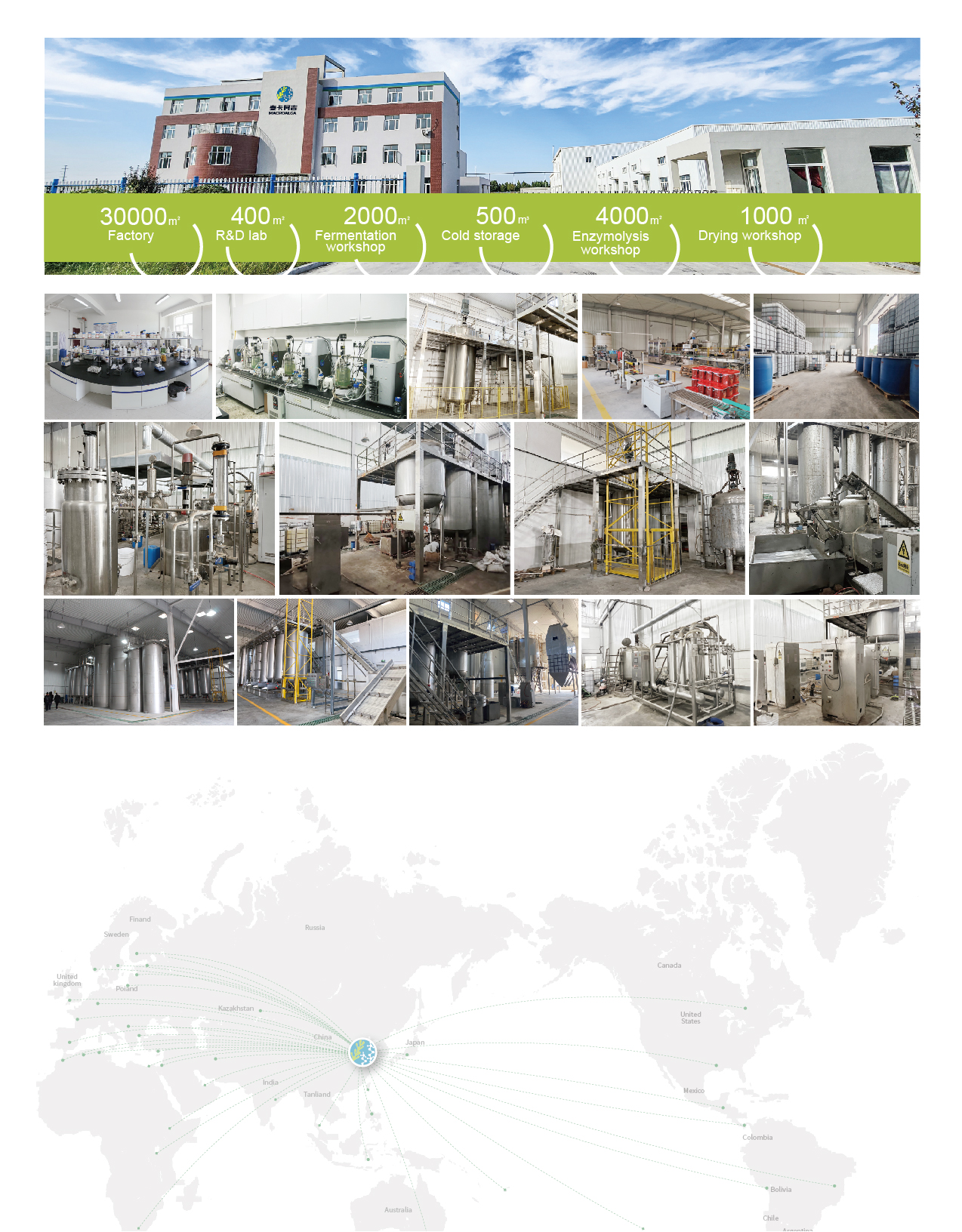
Qingdao MacroAlga is a technology-driven manufacturer specializing in enzymatic biostimulant raw materials for global agriculture. Backed by a proprietary enzyme platform originally developed at the Qingdao Institute of Bioenergy and Bioprocess Technology (CAS), MacroAlga operates large-scale, fully automated enzymatic production lines for chitosan oligosaccharide, alginate oligosaccharide, species-specific enzymatic seaweed extracts (KEYO®), and fermented animal-protein peptides. With a strong focus on structural precision, third-party validated quality, and sustainable manufacturing, MacroAlga supplies high-performance ingredients to leading fertilizer and agrochemical formulators worldwide. Our products are exported to over 30 countries across North America, Europe, Latin America, Asia, and Africa.
Contact: Kevin Zhang
Tel / Mobile: +86 135 0543 8449
R&D Center: No. 239, Keyuanjing 3rd Road, Laoshan District, Qingdao, Shandong
Factory: No. 88, Longquan Street, Xiazhuang Town, Gaomi, Weifang, Shandong
Website: www.macroalga.com
