Mechanism of Action Studies
Alginate Oligosaccharide (AOS) in Agriculture
Alginate oligosaccharide (AOS)—also called alginate-derived oligosaccharide or brown algal oligosaccharide—is a low-molecular-weight, water-soluble fragment produced by the enzymatic lysis of alginate from brown seaweed (Laminaria, Ascophyllum, Sargassum, Macrocystis). Structurally built from β-1,4-D-mannuronic acid (M) and α-1,4-L-guluronic acid (G) blocks, AOS is the core bioactive fraction responsible for the biostimulant effect of enzymatic seaweed extracts. Backed by Qingdao MacroAlga Co., Ltd.'s proprietary alginate-lyase platform, our MacroAlga Alginate Oligosaccharide (AOS) delivers >=90% content, ~600 Da average MW, DP2–8 controlled distribution, and 300 t/year agricultural-grade capacity. The presence of the unsaturated double bond at the non-reducing end—generated by enzymatic cleavage—is the key structural feature driving AOS physiological activity in plants. Developed in partnership with the Qingdao Institute of Bioenergy and Bioprocess Technology (CAS), MacroAlga AOS is now exported to over 30 countries across North America, Europe, Latin America, Asia, and Africa. This article provides a comprehensive, peer-reviewed survey of AOS research history, molecular mechanisms, agricultural applications, and the unique advantages of Qingdao MacroAlga's technology.
1. What Is AOS | 2. Research History | 3. Molecular Mode of Action | 4. Signaling Pathways | 5. Applications | 6. Abiotic Stress | 7. Synergy | 8. Specification | 9. MacroAlga | 10. Related Products | 11. FAQ
1. What Is Alginate Oligosaccharide?
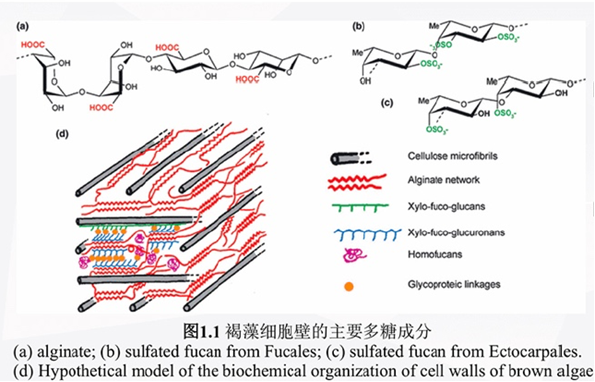
Alginate is a linear block copolymer of M and G residues extracted from brown algal cell walls. Native alginate has high viscosity and molecular weight (10,000–1,000,000 Da), limiting direct biological uptake. Enzymatic cleavage by alginate lyase yields AOS (typically DP2–20, optimal DP2–8 for agriculture) with:
- Low viscosity, high water solubility
- Exposure of non-reducing end Delta-4,5-unsaturated uronate (characteristic 235 nm absorbance)
- Strong elicitor and hormone-regulatory activity at ppm level
Unlike COS (positively charged, LysM-receptor driven), AOS is an anionic oligosaccharide whose perception involves wall-associated kinases, lectin-like receptors, and sugar-sensitive signaling hubs rather than a single canonical chitin receptor.
2. Research History & Milestones
The scientific journey of AOS spans over 140 years, from the first isolation of alginic acid to its modern role as a plant biostimulant and Novel Food ingredient. The following timeline highlights the pivotal discoveries:
On 5 February 2026, China's National Health Commission (NHC) issued Announcement on 22 "Three-New Foods" Including Gardenia Oil (2026, No. 1), officially approving alginate oligosaccharide (AOS) as a Novel Food ingredient. The approved material is a DP 2–10 oligosaccharide derived from brown-algal sodium alginate, with a recommended intake of <= 4 g/day (at 90.0 g/100 g content) and a caution that it is not suitable for infants, pregnant women, or breastfeeding women. This is the third marine-derived functional saccharide approved for food use in China, following chitosan oligosaccharide and fucoidan. Japan has long listed alginate oligosaccharide within its Foods for Specified Health Uses (FOSHU) system; Taiwan, China has already commercialized it as a food ingredient.
3. Molecular Mode of Action
AOS acts as a non-nutrient signal modulating plant metabolism through five stages:
- Cell-wall / receptor perception – binding to WAKs, LRR-RLKs, and sugar-sensor complexes
- Second messengers – Ca2+ flux, ROS burst, MAPK3/6 activation
- Hormone reprogramming – up-regulation of ABA, JA, SA, IAA biosynthesis genes
- Transcriptional output – PR proteins, antioxidant enzymes, osmoprotectants, lignin/callose
- Systemic priming – improved whole-plant resilience and resource allocation
Key structural factor: DP and M/G ratio control activity. DP2–5 = strong growth/root elicitation; DP6–8 = balanced stress + immune priming; >10 = reduced uptake.
4. Signaling Pathways Activated by AOS
5. Agricultural Applications & Field Data
5.1 Activation of Immune Signaling Pathways
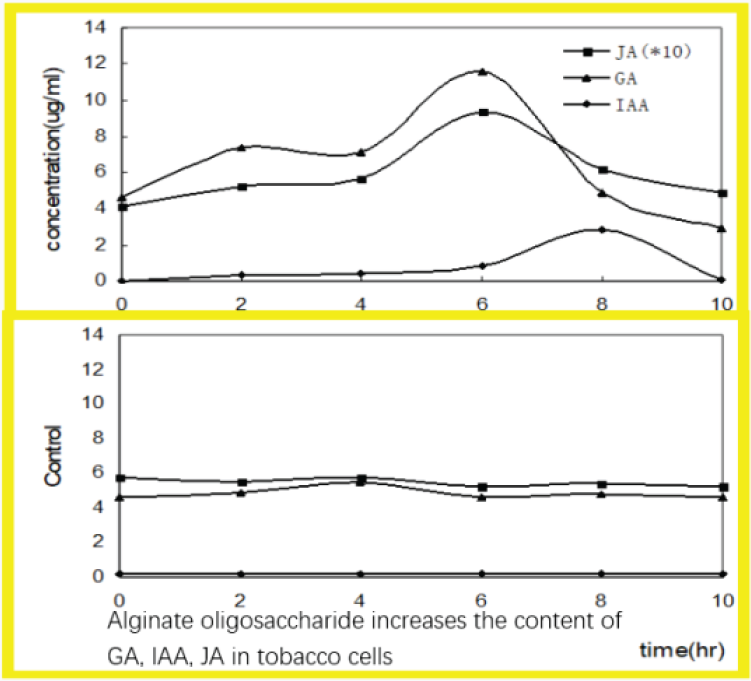
AOS activates two central immune regulatory pathways:
- Salicylic acid (SA) pathway – systemic acquired resistance against bacteria and viruses
- Jasmonic acid (JA) pathway – defense against necrotrophic pathogens and insects
Result: Reduced dependence on synthetic pesticides.
5.2 Enhanced Stress Tolerance and Fruit Quality
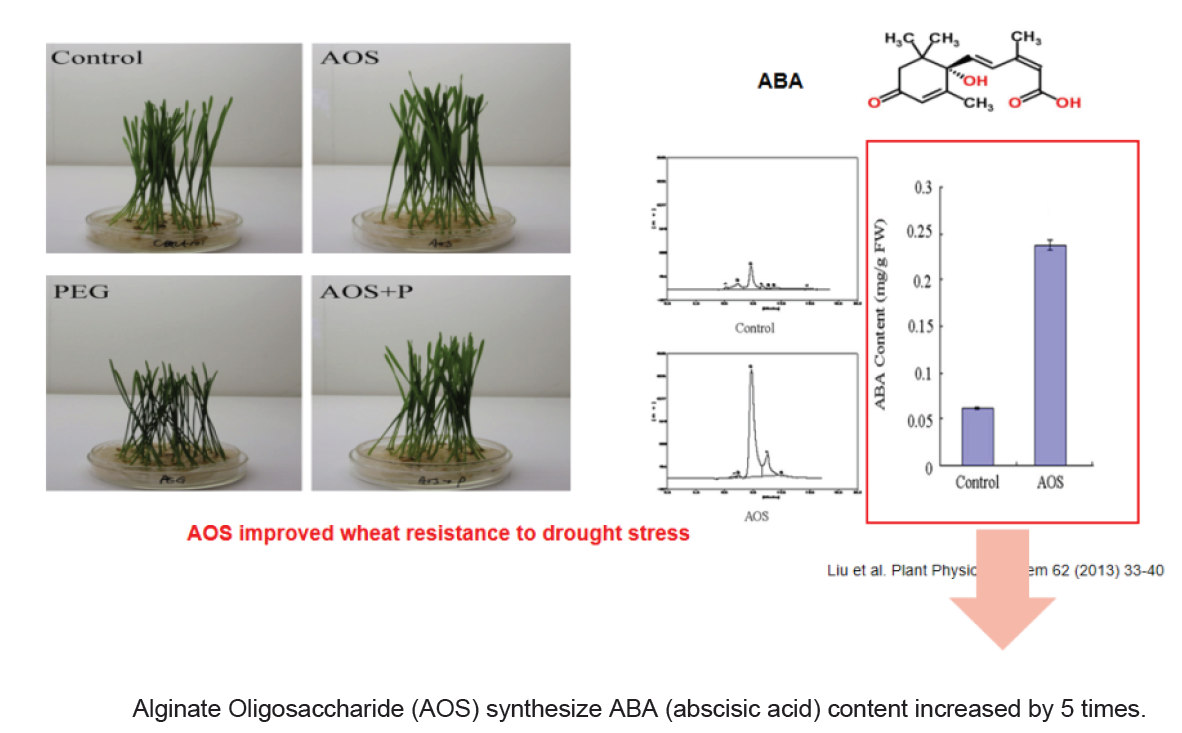
AOS induces the synthesis of abscisic acid (ABA), increasing its content by up to 5x, leading to:
- Improved drought, cold, heat, salinity, and waterlogging tolerance
- Earlier fruit maturation
- Better fruit coloration and soluble sugar accumulation
5.3 Promotion of Root Development and Growth
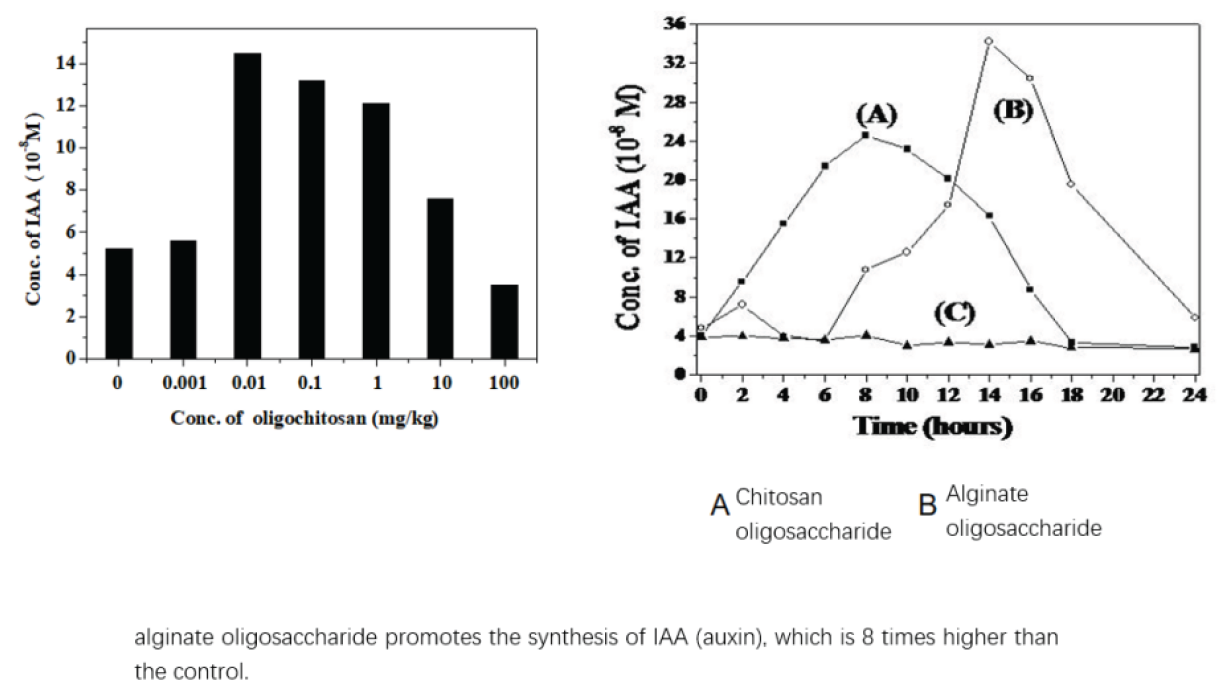
AOS stimulates auxin (IAA) biosynthesis, increasing endogenous IAA levels by up to 8x. Agronomic outcomes include:
- Faster root initiation and lateral root formation
- Accelerated seedling establishment
- More vigorous vegetative growth
5.4 Recommended Dosage
Direct Use
Add in Other Fertilizer
6. Abiotic Stress Tolerance
AOS consistently improves plant performance under multiple stress categories:
- Drought – higher RWC, proline accumulation, elevated SOD/POD/CAT activity, improved WUE
- Salt – ion homeostasis, root growth recovery, chlorophyll retention
- Cold / Heat – membrane stability, reduced MDA, photosynthetic maintenance
- Waterlogging – anaerobic marker suppression, root aeration recovery
Mechanism centers on ABA priming + antioxidant network + osmotic adjustment.
7. Synergy with COS, Microbes & Fertilizers
- AOS + COS – complementary: AOS drives root/growth/stress; COS drives immune/SAR. Common in layered biostimulant formulations (test pH, solubility, total oligomer load first).
- AOS + PGPR / enzymatic seaweed extract – rhizosphere amplification, N/P efficiency improvement
- AOS + NPK / humic – lowers effective fertilizer rate, smooths uptake curve
8. MacroAlga AOS – Specification & Process
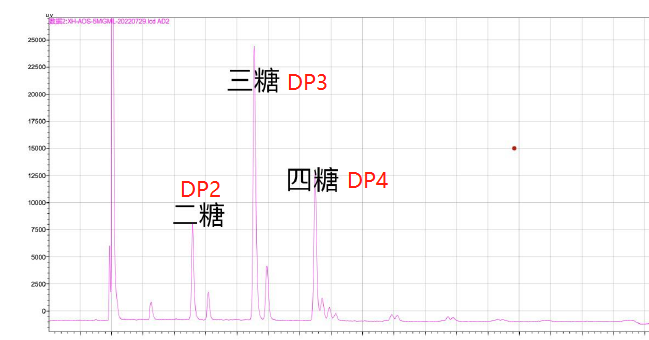
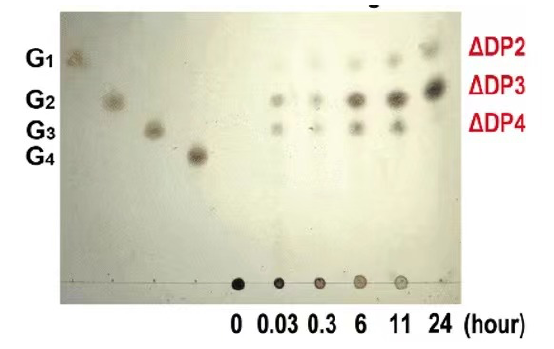
Process: species-selected brown algae -> alginate extraction -> alginate lyase cleavage -> DP-controlled fractionation -> dry powder. No strong acid/oxidation; preserves unsaturated uronate bioactivity. ECOCERT-eligible input.
Degree of Polymerization vs. Bioactivity
AOS bioactivity is closely related to its degree of polymerization (DP):
- DP 2–5: Strong elicitor activity, immune priming
- DP 6–10: Balanced growth promotion and stress resistance
- DP >10: Reduced uptake efficiency
Our agricultural-grade AOS is controlled within DP 2–8, ensuring consistent field performance.
9. Qingdao MacroAlga Co., Ltd.
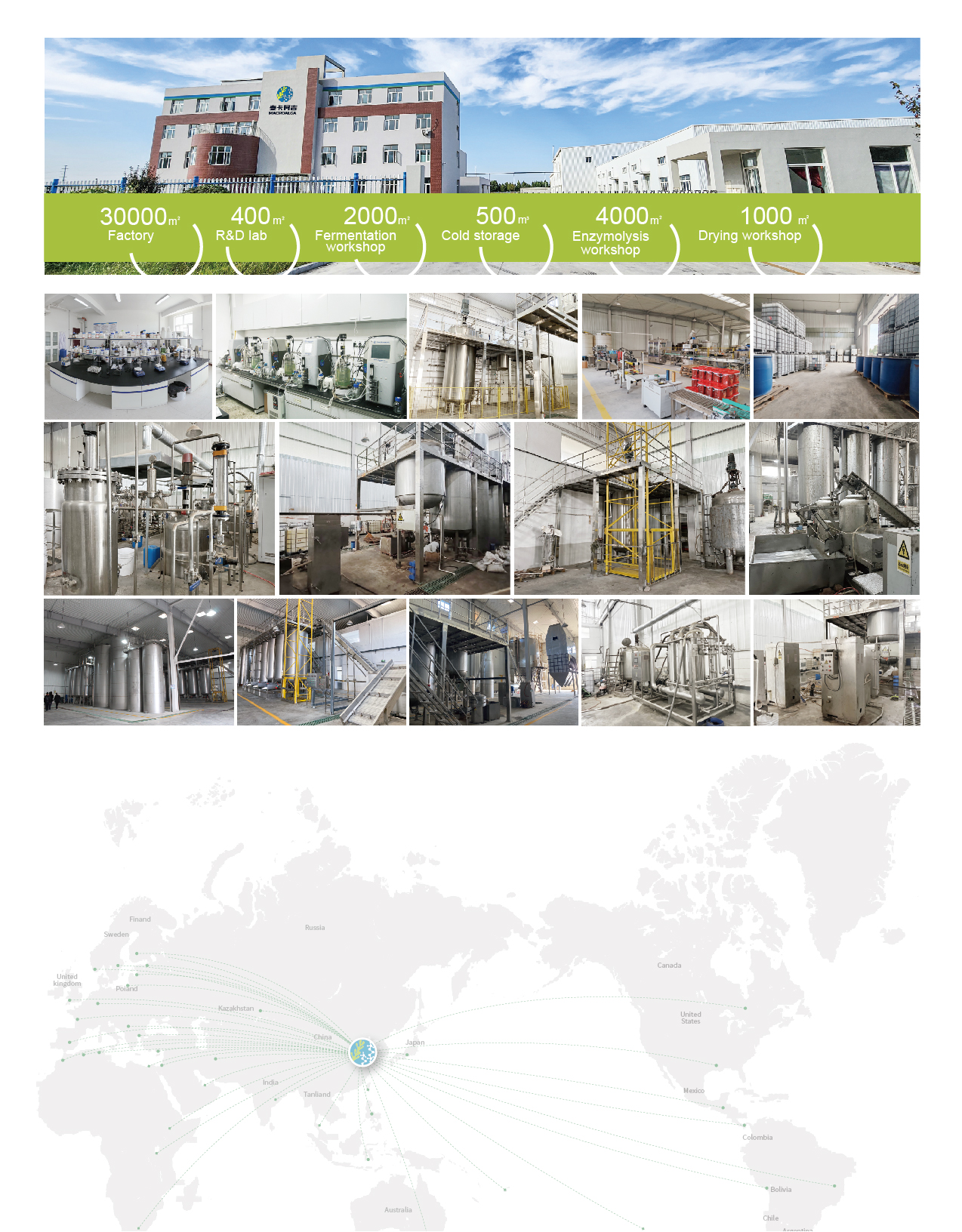
Qingdao MacroAlga Co., Ltd. is a technology commercialization enterprise founded by the Qingdao Institute of Bioenergy and Bioprocess Technology (QIBEBT), Chinese Academy of Sciences (CAS). We focus on the research, development, and production of enzymatic biostimulant raw materials and hold four core technology patents—including alginate lyase, chitosanolytic enzymes, and enzymatic seaweed extract production processes.
Our AOS production platform uses proprietary alginate lyase enzymes to achieve precise DP control (DP2–8), consistent >=90% content, and an average molecular weight of ~600 Da. With 300 t/year dedicated AOS capacity and a track record of exports to over 30 countries, MacroAlga is a reliable long-term partner for formulators, traders, and brand owners in the global biostimulant and functional-food industries.
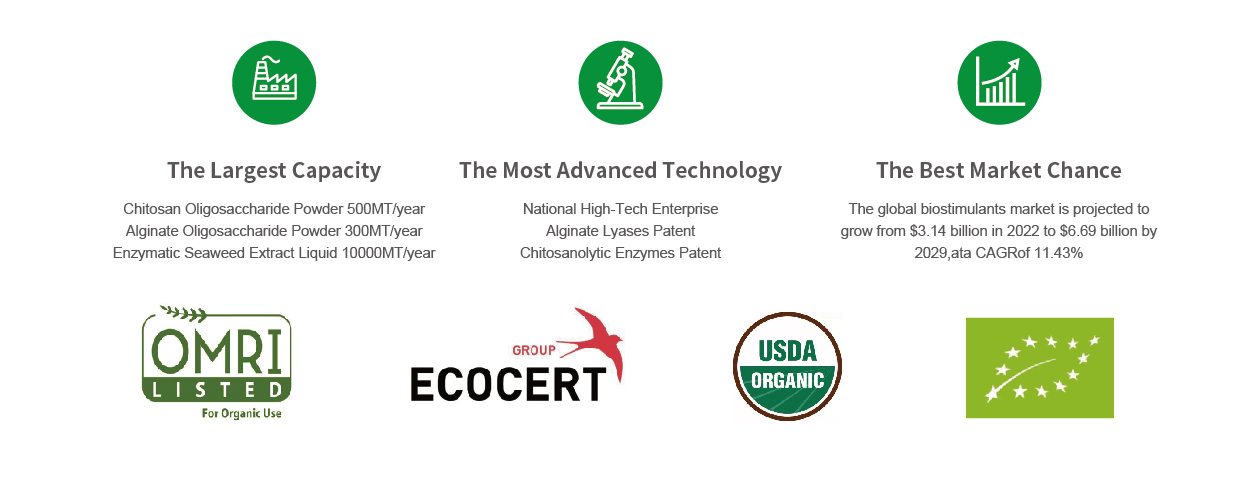
MacroAlga's core production capacities:
- Enzymatic Seaweed Extract: 10,000 t/year
- Chitosan Oligosaccharide Powder: 500 t/year
- Alginate Oligosaccharide Powder: 300 t/year
- Protein Hydrolysate (Chicken-derived Peptide): 1,000 t/year
For product specifications, TDS, or supply inquiries, visit our AOS product page or the MacroAlga homepage.
10. Related Products
Explore other enzymatic biostimulant raw materials from Qingdao MacroAlga:
|
AOS - Alginate Oligosaccharide MA007 |
COS - Chitosan Oligosaccharide MA006 |
KEYO - Enzymatic Laminaria Extract MA001 |
KEYO - Enzymatic Ascophyllum Extract MA003 |
|
KEYO - Enzymatic Ecklonia MA002 |
Protein Hydrolysate MA008 |
AlgaPep ZK001 |
AlgaMate ZK002 |
Visit MacroAlga Homepage for Full Catalog
11. FAQ
Q: Is AOS the same as "seaweed extract"?
A: No. AOS is the defined low-MW active fraction; crude extract is a mixture of polysaccharides, hormones, phenolics.
Q: Which DP range provides the best plant elicitor activity?
A: DP2–8 agricultural grade; DP3–5 strongest root/growth; DP6–8 best balanced stress + elicitor. MacroAlga controls this range consistently.
Q: Can AOS replace chemical fungicides completely?
A: AOS is not a direct substitute for all chemicals but a strategic component of IPM programs. It reduces chemical loads, delays resistance, and provides dual-mode action (immune priming + direct antimicrobial effect).
Q: Is AOS suitable for organic farming?
A: Yes. AOS is marine-derived, biodegradable, and residue-free. It is ECOCERT-eligible and accepted in organic systems subject to local certification.
Q: Compatible with COS in the same formulation?
A: Yes, but validate tank-mix stability and total oligosaccharide dose per hectare. The two act synergistically when formulated correctly.
Q: Where can I buy MacroAlga AOS or request a sample?
A: Visit our AOS product page for specifications, TDS, and ordering information, or go to the MacroAlga homepage to explore our full range of enzymatic biostimulant raw materials.
Q: Has alginate oligosaccharide been approved as a food ingredient in China?
A: Yes. On 5 February 2026, China's National Health Commission (NHC) officially approved alginate oligosaccharide as a Novel Food ingredient under Announcement No. 1 of 2026, alongside gardenia oil and four other new food raw materials. The approved material is a DP 2–10 oligosaccharide derived from brown-algal sodium alginate, with a recommended intake of <= 4 g/day (at 90.0 g/100 g content) and a caution that it is not suitable for infants, pregnant women, or breastfeeding women. This is the third marine-derived functional saccharide approved in China, after chitosan oligosaccharide and fucoidan. For food-grade inquiries, specifications, and supply, visit our AOS product page or the MacroAlga homepage.
Request a Technical Data Sheet, COA, or Free Sample
Explore the full specification, formulation support, and global distribution network for MacroAlga Alginate Oligosaccharide.
Contact: Kevin Zhang | WhatsApp & Tel: 0086 13505438449 | Email: kevin@macroalga.com / info@macroalga.com
R&D Center: No. 239, Keyuanjing 3rd Road, Laoshan District, Qingdao, Shandong, China
Factory: No. 88, Longquan Street, Xiazhuang Town, Gaomi, Weifang, Shandong, China
View AOS Product Page Visit MacroAlga Homepage
Related: Chitosan Oligosaccharide (COS) in Agriculture | AOS Product Page | MacroAlga Homepage
